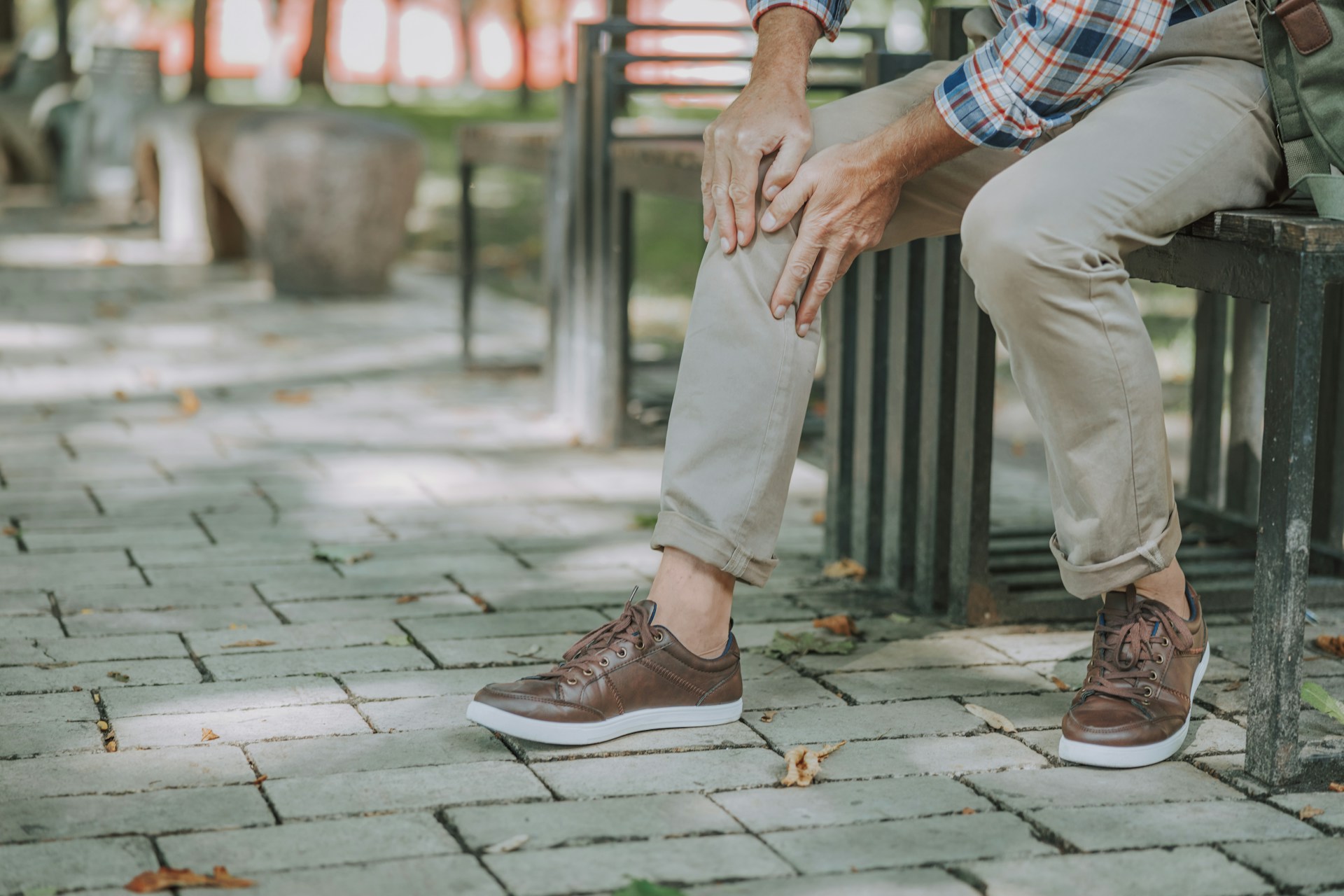
When spring starts to show signs of arriving in Columbus, OH, we naturally feel more drawn to the outdoors. The days get longer, the sun feels warmer, and we’re ready to shake off winter’s slower pace. But if your hips or knees still feel sore or stiff, it can make all that fresh movement a little harder. Instead of feeling energized, you might feel held back. That’s why hip and knee pain relief can be so helpful this time of year. It gives you a steady start as you ease into spring activity, whether that means walking more, getting into the garden, or just standing a little longer without discomfort.
For many people, spring is when they want to move more and feel better. But that’s tough if joint pain gets in the way. The good news is, there are simple ways to help your body catch up with the season, and they often start with small changes that make motion feel more natural again.
Why Hips and Knees Feel Stiffer After Winter
It’s completely normal to feel tighter through your hips and knees after the cold months. In winter, our bodies tend to move less. We spend longer periods sitting, staying indoors, or avoiding the extra effort cold air brings. That kind of slow-down can leave joints and muscles feeling tight by early spring.
- Less movement during winter can weaken the muscles that support key joints like your hips and knees.
- Long stretches of sitting place extra pressure on those same areas, especially if posture isn’t great.
- Sudden temperature shifts in early spring can make joints feel achy or stiff, particularly early in the day.
That first walk in warmer weather might seem like it should feel great. But if your body isn’t used to the motion, it can be more uncomfortable than expected. Without movement over the winter, tissues around the joints lose some flexibility. Getting back into daily activity helps, but it’s better to go slow at first.
How Movement Helps Reduce Pain and Stiffness
It may sound too simple, but movement really does help reduce stiffness. When we keep moving, even in small bursts, we support blood flow and loosen up the muscles around sore joints. That can ease tension and improve how your hips and knees respond to everyday activity.
- A short walk or standing stretch can wake up stiff joints without pushing them too hard.
- Gentle movement helps re-train muscles to support the joint instead of letting it work on its own.
- The more often you move throughout the day, the less likely pain is to hold you back.
Consistency matters more than intensity here. Going out for a few small walks each day beats one long workout that ends in soreness. Let your body get used to motion again and pay attention to how it feels. A slow, steady build gives your joints time to re-adapt without being forced into painful positions.
Spring Is the Ideal Time to Build Better Habits
There’s something about spring that makes change feel more doable. Maybe it’s the brighter light or the softer weather. Either way, it’s often a time when people feel ready to work on healthy habits. When it comes to hip and knee pain, this is a great season to get started.
- Spring warmth can make it easier to stretch, walk, or move outdoors without discomfort.
- Extra daylight means we’re more likely to keep routines in the morning or after dinner.
- The timing works well if you want to build strength before summer plans or increased outdoor activity.
Instead of waiting until pain gets worse in late spring or summer, starting now helps you stay ahead of it. You’re more likely to stick with new routines when they align with a season of natural growth. Even just adding movement in small ways now puts you in better shape for what you want to do in the months ahead.
Ways to Support Sore Joints Without Hurting Them
Not all movement is helpful. Sometimes trying to fix joint pain without guidance leads to overuse or new soreness. That’s why it helps to focus on slower, safer motions that give your body a chance to respond without pressure.
- Targeted stretching helps release tight areas around the hips and knees, especially after being still for too long.
- Working on balance and core stability reduces how much strain the lower joints take on with each step or shift.
- Getting support from someone who understands joint movement can help you avoid trial-and-error guessing.
Many people try to push through pain, thinking that more movement will make it go away. But without the right kinds of support, that can make things worse. Comfortable routines matched to how your body feels now are usually more helpful than copying a hard routine from a workout video.
Start Moving Into Spring With Less Pain
At Cornerstone Physical Therapy, our hip and knee pain relief plans are designed with real movement in mind. We look at how you use your joints daily, where strength or flexibility is missing, and create easy routines you can do both in our clinic and at home. Our approach uses techniques such as manual therapy and guided exercises that focus on long-term comfort instead of temporary fixes. As we ease into spring here in Columbus, OH, now’s a good time to get back into motion without letting joint pain slow you down. A focus on light movement, better habits, and steady progress can help you feel stronger as the days warm up.
Hip and knee pain relief doesn’t mean doing anything extreme. Often it just means choosing to care for your joints now, so they’re ready for more activity later. The sooner we start moving again, the easier it feels to keep going. And when that movement feels good, everything else gets a little easier too.
Stiff hips and sore knees can make everyday activities in Columbus, OH feel more challenging, especially after a long winter. When gentle movement alone isn’t enough, our team is here to guide you back to comfortable motion with our proven approach. Discover lasting hip and knee pain relief at Cornerstone Physical Therapy and let us help you get moving with confidence. Contact us today to start your journey toward better movement.