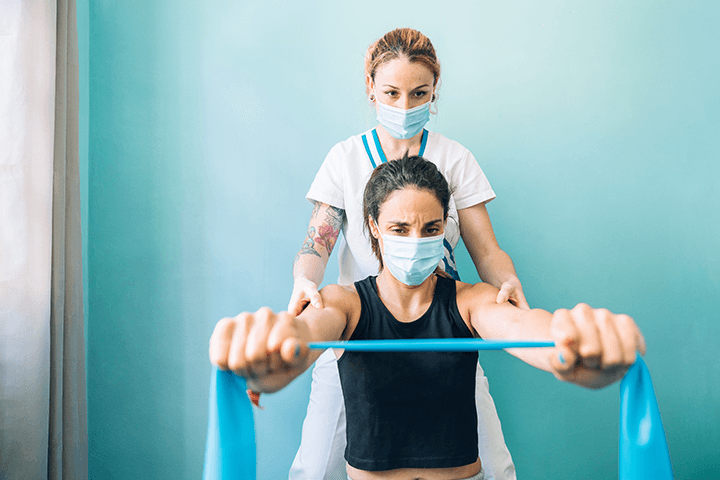
Finishing cancer treatment can bring a huge mix of emotions. Relief, for sure. But also questions. What now? What helps me feel stronger again? A cancer survivor program can be a helpful next step, especially when the routines you’ve known for months start to fade and you’re left wondering how to rebuild.
These programs support more than just recovery. They help with staying active, improving energy, and slowly feeling more like yourself again. They focus on long-term wellness, both in how your body feels and how you handle the shifts that come after treatment. If you’re wondering when the right time is to start something like this, you’re not alone, and the answer might be closer than you think.
Listening to Your Body After Treatment
When treatment ends, the healing isn’t always over. Sometimes side effects hang around longer than we expect. Things like stiffness, worrying fatigue, or soreness that lingers even after rest can signal that your body might need a little extra support.
- Watch for signs that aren’t normal for you. Maybe your legs feel heavier, or your back feels tight most mornings.
- Pain that wasn’t there before deserves a second look, particularly if it doesn’t ease up with rest or light movement.
- If something feels off or you’re unsure what’s normal anymore, it might mean your body could benefit from guided care.
Healing isn’t always about doing more. Often, it’s about knowing when to pause and listen to what your body’s trying to say. Trust that your body knows how to ask for what it needs, even if the signals are small or quiet at first. Taking notice of these changes can be the best first step.
Everyday Tasks Feel Harder Than They Should
Sometimes the sign you need help shows up when folding laundry or walking up a familiar flight of stairs. Things that used to be simple might feel out of reach now. That doesn’t make you weak. It just means your muscles, balance, or overall strength might still be catching up.
- If bending over to tie your shoes feels like a workout, or your arms tire from carrying groceries, don’t ignore that.
- Soreness that sticks around after small tasks, or chores that leave you winded, don’t always go away with time alone.
- These little daily struggles can hint at gaps in your recovery that a supportive program can help fill.
The body remembers what it’s been through. But with the right help, it can also learn how to move forward again. Sometimes it’s helpful to think back over your week and notice if any everyday jobs feel tougher than they did before. Even gradual changes in energy or endurance are worth attention. It’s easy to overlook how different everyday tasks feel, but noticing those details means you’re giving yourself a chance to improve and grow stronger, one step at a time.
You’re Ready to Get Moving Again, Safely
Feeling the urge to be active again is a good thing. But jumping into exercise too fast can bring setbacks. It’s hard to know how much is right when your body has been through so much. That’s where a structured program matters.
- A cancer survivor program can help you ease back into movement without feeling overwhelmed.
- It guides you at your own pace, whether you’re rebuilding muscle or improving your balance.
- With professional guidance, you’re less likely to overdo it or fall into habits that slow you down.
At Cornerstone Physical Therapy, our services for cancer survivors in Columbus, OH, include evidence-based exercise therapy for strength, balance, and fatigue, along with hands-on treatment for mobility. Taking small, safe steps toward activity helps build confidence, and builds strength behind the scenes, too. Your progress may not happen overnight, and that’s okay. What matters most is that you have a safe, steady strategy as you return to the activities you love. Gentle goals, rest breaks, and personal support make it easier to notice progress and enjoy movement again without fear.
Emotional Clues That It’s Time for a Change
Even without any physical pain, it’s common to feel mentally off after treatment. That drifting feeling between “all done” and “not quite normal” can last for weeks or even months. You’re not alone in that.
- Feeling anxious, low-energy, or unsure about what’s next can be signs your emotional health needs care, too.
- If you’re having trouble getting motivated or feel stuck in a rut, a structured routine may help lift some of that weight.
- Programs that blend physical activity and emotional support can give your day purpose and help ease stress.
A steady rhythm to your weeks can help mood and focus catch up to where your body is trying to go. Sometimes, talking to others or simply having support nearby makes a real difference. Even small changes in your daily routine, like regular walks or guided exercises, can provide structure that lets your emotional well-being catch up with your physical healing.
Why Waiting Too Long Can Slow Progress
Sometimes we convince ourselves to wait things out. Rest a little more. Give it time. While that can be helpful at first, waiting too long to take that next step might make small problems worse.
- Pain or tension that goes unchecked can turn into habits your body learns to work around.
- Rest has a place, but certain kinds of healing ask for movement to make progress.
- Starting sooner often means less backtracking later. Good habits now can mean fewer limits later on.
There’s never a perfect time to begin, but giving yourself the gift of motion sooner rather than later can make your daily life feel easier and more manageable. If you’re noticing even minor changes lasting longer than expected, starting a program now lets you build momentum and avoid setbacks down the road. Every step you take today can add up to bigger gains in the future, and the earlier you start, the easier it is to notice these benefits.
Getting the Support You Deserve
Starting a cancer survivor program isn’t about going backward. It’s about filling in the missing pieces, so you can move ahead with more confidence. You’re not reliving the hard parts. You’re choosing something that helps you rebuild, on your terms.
- These programs give space for your body and mind to keep healing, even after treatment is done.
- They’re about helping you feel steadier in your steps, stronger in your routine, and more at ease with everyday life.
- You don’t have to know everything before you begin. Showing up is sometimes all it takes to move forward.
If you’re in Columbus, OH, and finding that the summer slows down your energy or activity, this could be a good time to think about support. Warm weather brings more time outdoors and a natural push toward movement. It’s a season that invites small, steady change. Thinking about that next move now could help set you up for an easier fall.
At Cornerstone Physical Therapy, we know that every cancer journey is different, which is why our Columbus cancer survivor program is tailored for your individual needs, focusing on safe therapeutic exercise, progressive recovery, and long-term wellness. Noticing changes in your strength, mood, or energy after cancer treatment is common, and getting steady support can make a real difference. A structured routine through a cancer survivor program can help you take control and feel more comfortable in daily life. At Cornerstone Physical Therapy, we’re here to support your next step at a pace that works for you, contact us to get started.