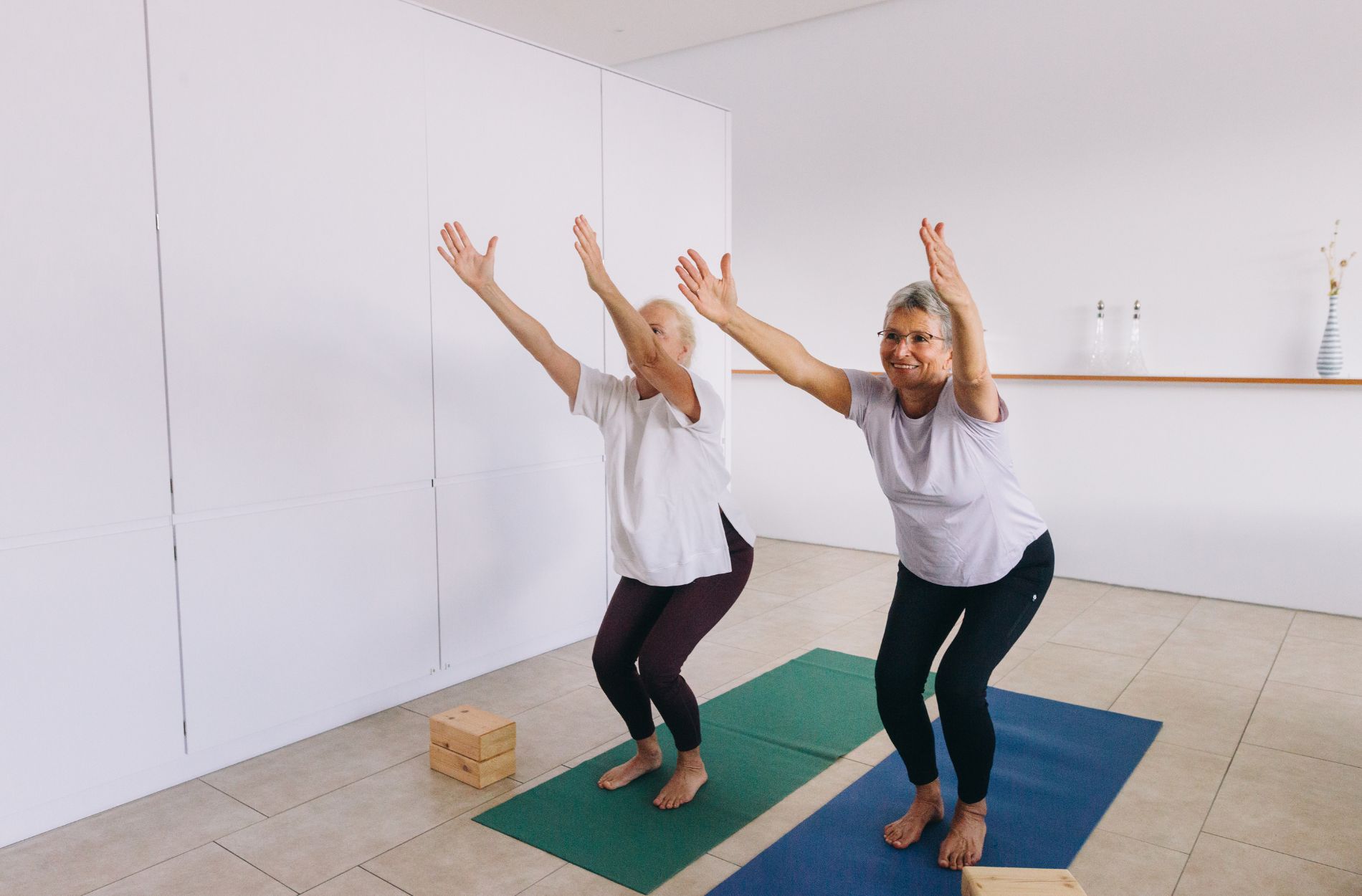
As we get older, keeping our balance becomes more of a challenge. Imagine trying to walk a straight line when things aren’t as steady as they once were. This shift is a natural part of aging, where the body’s ability to maintain balance slowly diminishes. It’s not just about being able to stand upright; it’s about feeling secure and confident in your movements.
Taking steps to maintain balance can greatly reduce the risk of falls, which are a common concern for many seniors. Falls aren’t just bumps and bruises; they can lead to significant injuries or a loss of independence. By focusing on maintaining good balance, you can continue to enjoy activities you love without worrying too much about unexpected tumbles.
Common Causes of Balance Issues in Older Adults
Aging affects balance in several ways. As muscles weaken over time, the body loses some of its natural stability. This isn’t an overnight change but a gradual process that can sometimes catch people by surprise. It’s similar to a favorite pair of shoes wearing out after years of use – everything seems fine until, suddenly, it’s not as supportive anymore.
Several factors contribute to balance problems:
– Natural aging process: As muscles and bones lose strength, you might find it harder to move as smoothly.
– Chronic conditions: Issues like arthritis and diabetes can affect how you move and feel, disrupting your balance.
– Medications: Some prescriptions can alter coordination, making steady movement tricky.
Understanding these causes is the first step to minimizing their impact. Recognizing them gives you control over your movements, allowing smarter decisions to manage balance more effectively.
Simple Tips for Maintaining Balance
Keeping your balance doesn’t have to be daunting. With a few adjustments, it’s possible to stay on your feet more securely. Here are some straightforward tips to retain that balance:
1. Regular exercise: Incorporate exercises that focus on strength and flexibility. Think of activities you enjoy that also involve movement, like taking a brisk walk in your neighborhood or dancing to your favorite tunes.
2. Try balance exercises: Activities like tai chi or yoga are excellent for improving balance and flexibility. These exercises enhance muscle strength and the body’s ability to coordinate better movement.
3. Create a safe home environment: It’s crucial to ensure that walkways are clutter-free. Installing night lights can also help navigate spaces safely in the dark.
Implementing these tips requires minimal effort yet has a significant payoff in improving balance and reducing the risk of falls. It’s about maintaining your independence and enjoyment of life without stopping to worry about taking the next step.
Treatment for Balance Disorders in Columbus, OH
Finding the right treatment for balance issues can make a significant difference to everyday life. In Columbus, OH, there are various options to help manage and improve your balance. Professional treatments offer personalized plans that take into account your specific needs and conditions. Working with specialists ensures that you receive the best care suited to your situation.
Consider visiting therapists who focus on balance disorders. These experts can pinpoint the exact areas where your balance may be lacking and offer exercises and therapies that specifically target those areas. For example, some might recommend vestibular therapy, which helps your body to better handle balance and dizziness problems. This approach is often coupled with physical therapy exercises aimed at strengthening your core and improving coordination.
Having a personalized treatment plan can help you feel more confident in your movements. It ensures that all therapies align with your lifestyle and activity level, giving you the best chance to maintain your independence and stay active.
Preventative Measures and Lifestyle Changes
Preventing balance issues is all about maintaining a healthy lifestyle. Simple adjustments can help you stay steady and secure. Regular check-ups with your doctor play a crucial role in monitoring any changes in your health that might affect balance. Having these check-ups allows for early intervention if needed.
Nutrition also plays a part. Eating a balanced diet rich in nutrients that support bone and muscle health can strengthen your body overall. Think lean proteins, leafy vegetables, and calcium-rich foods. Maintaining a healthy weight can alleviate unnecessary stress on your joints, making movement smoother and reducing the risk of falls.
Engaging in social activities and hobbies can have a surprisingly positive effect on balance and well-being. Whether it’s joining a local club, attending community events, or participating in group exercises, staying socially active keeps both the mind and body engaged, which contributes to better balance.
Taking Steps Towards Better Balance and Safety
Staying balanced is more than just a physical concern; it’s about living a fuller, more active life. Embracing strategies to maintain your balance helps protect you from falls and enhances your life’s quality. By taking these steps, you’re investing in your health and well-being, ensuring that you can enjoy each moment without unnecessary worry.
Remember, safeguarding your balance can help maintain your independence. Exploring professional treatment options or adopting small lifestyle changes can make all the difference. Taking control of your balance allows you to move through life with confidence and ease.
If you’re looking to enhance your stability and reduce the risk of falls, explore our treatment for balance disorders in Columbus, OH. At Cornerstone Physical Therapy, we create personalized plans to help you achieve a healthier, more balanced lifestyle.