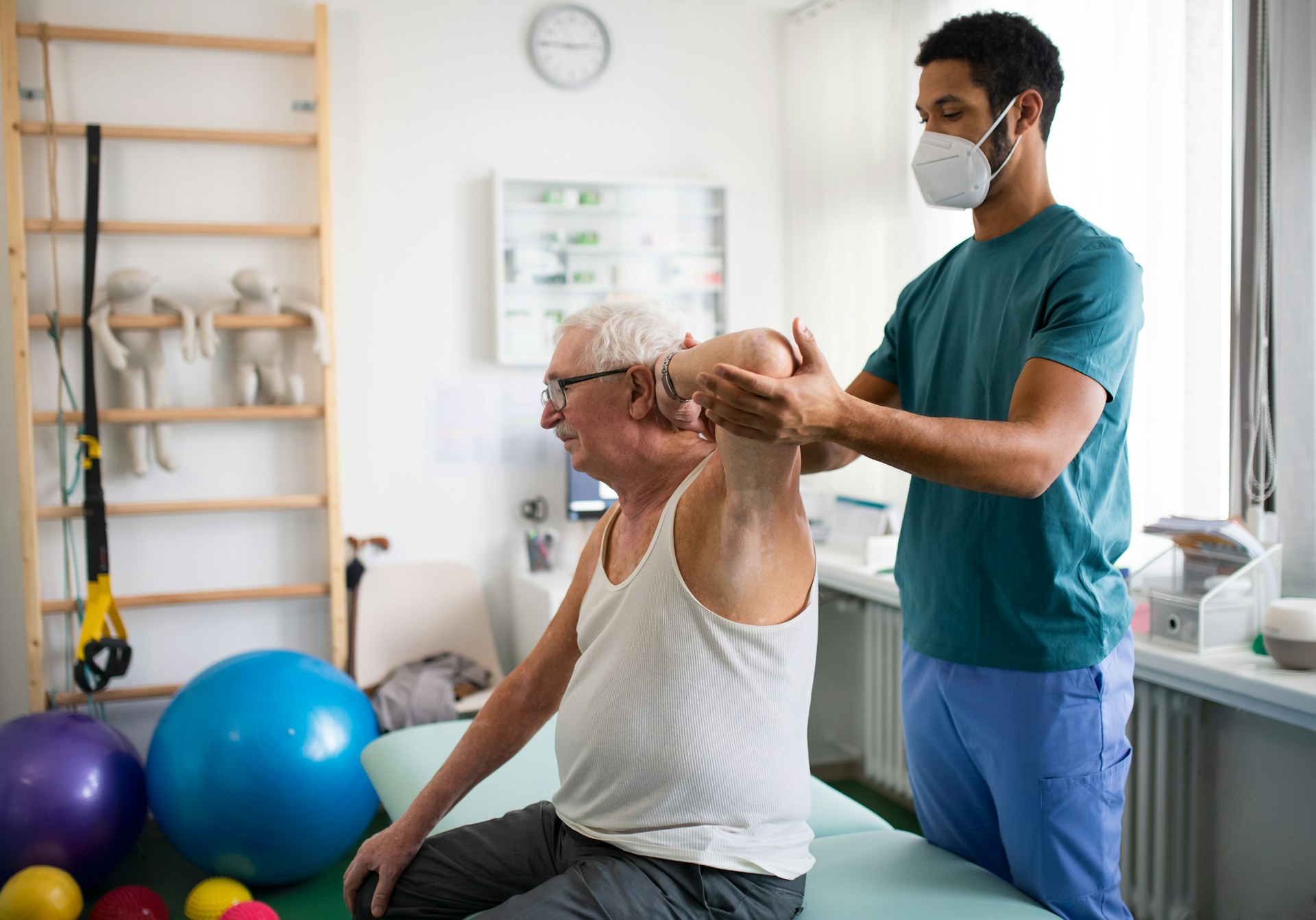
Recovering from surgery is a journey that can be challenging, but with the right plan, it can lead to a stronger and more mobile life. Post-surgical rehabilitation is something that demands attention and care to ensure the healing process isn’t just about getting back to normal, but reaching a state of improvement and wellness you may not have imagined before. Many people don’t realize that having a structured recovery plan in place can make a world of difference, reducing complications and increasing the chances of successful recovery. The key is to aim for a gradual and steady return to your daily activities while focusing on gaining strength and confidence.
Imagine waking up each day feeling closer to your goal of total recovery. A strong rehabilitation plan lays the foundation for both the physical and mental aspects of healing, ensuring that you remain motivated and prepared for the challenges ahead. Whether it’s being able to walk more freely or lift groceries without pain, successful rehabilitation doesn’t just aim for recovery—it strives for a better version of yourself in the end. With determination and consistency, you can look forward to the freedom and mobility that surgery aimed to restore.
Setting Clear Goals And Timelines
One of the first steps in shaping a successful rehabilitation plan is setting realistic and personal goals. Having clear aims gives you something to work towards and makes it easier to track your progress. Imagine a situation where each small action, whether in therapy or at home, moves you closer to a satisfying outcome. When you focus on what’s achievable for you, it reduces the risk of frustration and keeps spirits high.
To create effective goals, break them down into short-term and long-term milestones. Short-term goals could involve small achievements that you can handle within a few weeks, such as reducing swelling or improving range of motion. Long-term goals might include returning to work, playing sports, or engaging in hobbies without discomfort. Write down these milestones and talk them over with your healthcare provider to ensure they align with your recovery process.
Here are a few examples of post-surgical rehabilitation goals:
– Regaining full movement in the affected area over the next six weeks.
– Walking for 20 minutes without discomfort by the end of month two.
– Returning to favorite activities, like gardening or hiking, by the end of recovery.
By setting these goals, you have a roadmap that makes the rehabilitation process more manageable and rewarding, turning your recovery into a series of small victories instead of a distant and challenging task. Remember, each step brings you closer to the lifestyle and activities you enjoy.
Adhering To A Consistent Exercise Routine
Building a consistent exercise routine is a crucial step for anyone on a post-surgical rehabilitation path. Staying active through structured exercises helps rebuild strength and range of motion, making it easier to get back to everyday tasks with confidence. It’s not just about working hard; it’s about working smart with a plan designed around your needs and abilities.
Including varied exercises in your routine can target different aspects of recovery. Strengthening exercises, like gentle weight lifts, support muscle regrowth. Stretching helps maintain flexibility and range of motion, while aerobic activity, such as walking, boosts cardiovascular health and enhances overall endurance. Setting aside dedicated time every day for these activities can make a big difference over time.
Staying motivated in this journey can be challenging. Here are some practical tips to help you keep moving forward:
– Find an exercise partner or join a rehabilitation group to make it more social and enjoyable.
– Mix up your routine to avoid monotony and discover what works best for your body.
– Set small, achievable exercise targets and celebrate reaching them, boosting your momentum.
Following Nutritional Guidelines
The foods you eat play an important role in how well you recover post-surgery. A balanced diet fuels your body’s healing process, giving it the energy and nutrients it needs to repair tissues and regain strength. Choosing the right foods supports quicker recovery and helps you avoid setbacks.
Focusing on foods rich in vitamins and minerals, like fruits and vegetables, can bolster your immune system and speed up healing. Protein is crucial for repairing muscles, so incorporating sources like fish, eggs, and legumes into your meals is beneficial. Don’t forget to stay hydrated; water aids nutrient absorption and keeps your bodily systems running smoothly, which is key to recovery.
To make meal planning simple, consider these tips:
– Prepare meals in bulk to save time and ensure you always have healthy options on hand.
– Incorporate a variety of foods to cover all the nutritional bases.
– Experiment with herbs and spices to keep meals flavorful without added salt or sugar.
Attending All Physical Therapy Sessions
Consistency with physical therapy sessions is vital for hitting rehabilitation milestones. These sessions are a chance to receive personalized guidance from professionals who can adjust exercises and strategies based on your progress. Understanding what to expect during these visits can enhance their effectiveness.
During therapy sessions, therapists will guide you through exercises tailored to your recovery needs, showing you how to perform them safely. They’ll assess your progress, tweaking your plan to keep you on track and pushing towards your goals.
To fully benefit from these sessions, consider these strategies:
– Prepare questions or concerns in advance to discuss with your therapist during sessions.
– Maintain a rehabilitation journal to track your progress and note any difficulties.
– Commit to practicing exercises learned in therapy at home to reinforce gains.
Preventing Complications And Managing Pain
Reducing the risk of complications and managing pain effectively are top priorities during recovery. Keeping a close watch on how your body responds to rehab can catch issues early, while employing safe pain management strategies keeps discomfort in check.
Regularly monitor any changes such as swelling or redness and report them to your healthcare provider promptly. This proactive approach helps prevent minor concerns from becoming major setbacks. For managing pain, focus on non-medication methods like cold compresses, relaxation techniques, and gentle movement to ease discomfort.
Effective communication with your healthcare team is a must. They’re there to provide support and adjust your recovery plan as needed, ensuring you stay on the path to achieving your rehabilitation goals.
Achieving A Healthier, Pain-Free Life In Columbus, OH
With dedication and a well-crafted plan, transitioning back to a fulfilling life post-surgery is achievable. As you integrate these strategies into your regimen, you’ll likely notice increased strength and mobility, leading to greater freedom in daily activities. This rehabilitation process not only helps you physically recover but also instills a sense of accomplishment and resilience.
Columbus, OH offers plenty of community resources and outdoor spaces that, when you’re ready, can aid in your recovery by providing fresh, engaging environments to explore. Remember, persisting with your rehabilitation plan places you firmly on the path to renewed health and a pain-free future.
Recovering from surgery can be a smooth experience with the right support, and effective recovery is vital to that success. At Cornerstone Physical Therapy, our team is ready to assist you on your path to a stronger, more confident lifestyle. Explore how our approach to post-surgical rehabilitation has helped many achieve their recovery milestones in Columbus, OH. Let’s work together to bring you closer to the freedom and mobility you deserve.