Fall is a season of change. School starts back up, families settle into new routines, and, for many of us, it’s moving season. Whether it’s heading to a new place, helping a relative downsize, or packing up for college, moving tends to happen a lot during this time of year. The cool weather makes it feel like a good window to get things done before winter arrives.
But as exciting as change can be, moving often puts the body through the wringer. Between lifting boxes, bending to reach things, climbing stairs, and loading vehicles, it’s easy to feel aches in places you didn’t expect. That’s why physical therapy care makes sense, not just after pain shows up, but before the hard work begins. When we support the body through all parts of the moving process, it becomes easier to stay strong through it all.
Common Strains from Packing and Lifting
There’s no way around it, moving means heavy lifting. Over time, that movement can add up and wear down even the strongest bodies. A few lifts here and there may not seem like much, but the patterns they create matter.
- Bending and twisting to reach boxes can strain the lower back. It’s often the first area to feel sore when something’s off.
- Shoulders and wrists do a lot of the lifting, carrying, and stabilizing, often in awkward positions.
- Hips and knees help with stairs and going from standing to crouching over and over, especially when carrying weight.
After a long day, or multiple, these spots can start to feel tight or swollen. What begins as regular soreness may linger and affect everyday movement. That’s where we watch carefully for signs that strain has gone beyond simple tired muscles.
Prepping the Body for a Big Move
There’s value in getting the body ready before things begin. When muscles are warmed up and moving well, they’re more prepared for the kind of movements moving involves.
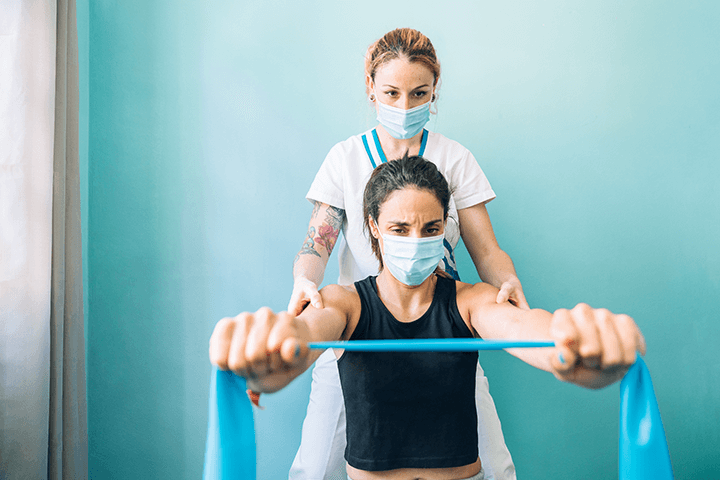
Our bodies like routine, and moving breaks it. That’s why extra support goes a long way. With physical therapy care ahead of time, people often feel more stable when the work begins. Small stretches or guided movements can improve flexibility and teach muscles how to work without overloading one area.
- Stretching hips and hamstrings helps protect the lower back during long periods of lifting.
- Core strength provides steady support when carrying things over uneven or sloped surfaces.
- Practicing how to lift with legs, not the back, takes pressure off areas that often flare up.
The idea is to work smarter, not harder. If the body moves well going into a big effort like a move, it’s far less likely to feel sore for days afterward.
Recovery After the Move is Done
Once the work is over, the soreness tends to settle in. Some of it is expected, stiff muscles and maybe a little fatigue. But lingering tightness or sharp discomfort can be a sign that certain muscles or joints were pushed too far.
This is where gentle support can help. Recovering with intention instead of pushing through the pain makes a difference in how long it takes to feel normal again. Physical therapy tools like light stretching, breathing work, or simple strength moves can calm the body and stop small issues from becoming larger ones.
- Reducing swelling and tension around joints protects against lasting inflammation.
- Strengthening around sore areas makes returning to daily activities more comfortable.
- Easing back into regular motion prevents re-injury while letting the body regroup.
Our goal after the move shouldn’t be just to survive until the next rest day. It should be steady recovery that makes regular tasks feel easy again.
Supporting Older Adults or Family During Fall Moves
Sometimes the strain doesn’t come from packing our own things, it’s from helping someone else. Fall can be common for family transitions like seniors downsizing or kids heading off to school. That often means carrying load after load, assembling furniture, and working through full days of physical tasks.
It’s easy to forget about your own body when you’re focused on helping someone else. But caregivers, parents, and adult children are often the ones who take on the biggest toll physically.
- Supporting someone else involves lifting from odd angles or holding things steady for long periods.
- Lack of breaks or pushing through discomfort raises the chance of overextended muscles.
- Assuming “I’ll be fine” is a common mindset but sometimes backfires once the adrenaline wears off.
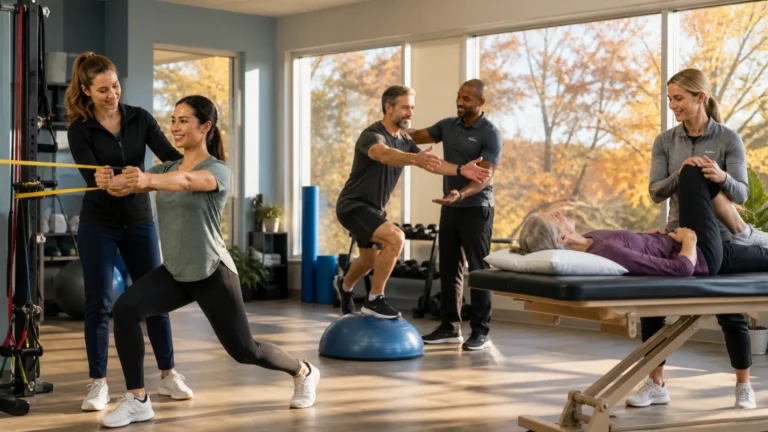
At Cornerstone Physical Therapy, our experience with family support in fall transitions means we help people identify and address patterns of movement that could lead to overuse or injury during packing, lifting, and caregiving. Sharing the load is good, but only if we’re paying attention to our own movement and strength along the way.
Why Fall is a Good Time to Focus on Body Support
Moving in the fall has its own quirks. The weather is usually cooler, which helps, no one wants to haul boxes in the heat. But it can also bring some added challenges.
Wet leaves on walkways, unpredictable weather, and uneven ground are just a few examples of how the season adds risk underfoot. Add in the extra work of raking, clearing out gardens, or doing last-minute home projects, and the body might be asked to handle more than usual.
- Slippery or uneven ground can make carrying loads harder to balance.
- Cooler air stiffens muscles more quickly, especially in the morning.
- Fall projects combined with a move can create a long list of demanding days.
That’s why now is an ideal time for physical therapy care. Learning how to stay steady, reduce pressure on joints, and recover effectively puts the body in a better place heading into winter. In cities like Columbus, OH, where fall can shift quickly from warm to chilly, staying adaptable matters.
Keep Your Body Moving Without Setbacks
Packing, lifting, cleaning, rearranging, it’s a lot. And moving into a new space or helping a loved one doesn’t usually happen in one smooth day. It’s a process that stretches over time, and the body keeps working throughout.
Our goal through all of this is to help that movement stay healthy and pain-free. When we pay attention to how we move and what our body needs, it’s possible to get everything done without feeling stiff for weeks.
Sometimes all it takes is early care, smart pacing, and giving the body time to bounce back. Whether you’re planning a move, helping someone else, or just juggling a full season of physical tasks, it helps to remember you don’t have to push through every ache. A bit of awareness and support now can help prevent bigger setbacks later.
Moving this fall can leave your body feeling worn out, especially as the temperatures drop in Columbus, OH. At Cornerstone Physical Therapy, we’re here to help you manage soreness, recover faster, and build strength for whatever comes next. With the right support, your joints and muscles can bounce back smoothly through the season. To learn how our physical therapy care can make a difference, get in touch with our team today.