Slipping on ice or wet pavement is something almost all of us face in winter around Columbus, OH. Whether it’s just a quick slide or a full fall, these accidents can leave more than a scare. While some falls end with nothing more than a sore hip or a bruised shin, others hit our arms harder. We often reach out with our hands and arms to catch ourselves, and that instinct can lead to pain that sticks around.
If wrist or elbow soreness doesn’t ease up after a few days, it might not just be a minor bruise. Figuring out when to seek elbow and wrist pain treatment can help keep small injuries from turning into bigger, longer-term problems.
What Happens During a Fall
When people lose their footing, the first thing many of us do is throw out our arms to try to break the fall. It’s natural. We’re protecting our face, head, and body. But when that happens, a lot of the force lands right in the wrists and elbows.
• Our hands take the brunt of the landing, which can twist or jam the wrist in awkward ways
• Elbows may absorb shock or take a direct hit if the arms are bent or flung to the side
• Even if there’s no bruise or swelling right away, the discomfort can creep in after a few hours
Common injuries that show up this way include wrist sprains, elbow strains, or even bone bruises. Some people don’t notice anything at first, but by the next morning, their joints feel sore, tight, or weak. Sometimes it hurts just to turn a doorknob or pick up a coffee mug.
When falls happen in winter, the cold itself can make muscles and joints tense, which only adds to the discomfort felt afterward. Walking outdoors and coming back in can make the pain seem worse as the body readjusts to a warmer room. Those first few hours after a fall can be confusing since adrenaline or shock may cover up the discomfort, so it’s helpful to check in once things have calmed down.
How to Tell If the Pain Needs Attention
The tricky thing about arm injuries is that soreness doesn’t always come right away. The body can mask pain early on, or we may brush it off thinking it’ll go away quickly. While that’s true in some cases, there are signs to watch for that tell us when rest might not be enough.
• If there’s swelling that doesn’t go down after a couple of days
• If the joint still feels stiff or won’t move the way it should
• If lifting, twisting, or leaning on the arm brings sharp pain
If it hurts to do everyday things like brushing teeth, opening a door, or pulling on gloves, the joint may not be healing on its own. That doesn’t always mean there’s something serious going on, but it’s a clue that the body may need more help. Instead of waiting until the discomfort spreads or affects both arms, it’s often better to have someone take a closer look.
Sometimes, discomfort shows up in odd places. Wrist pain may turn into elbow pain if that joint starts doing more of the work. Or a small injury that was ignored at first starts to change how you move or use your arm, leading to other aches. These are all signs that attention may be needed and that it may help to have a professional check how everything is healing before it gets worse.
The Role of Professional Support in Recovery
It’s tempting to think we can manage pain just by icing, resting, and waiting it out. That works sometimes, but not always, especially in winter, when we can strain joints again with just one misstep. Guessing wrong might mean longer healing or lingering pain that makes it harder to work, drive, or sleep comfortably.
A clear plan helps avoid that. When we look at how you use your arms each day, whether that’s with tools, typing, carrying groceries, or walking in slippery parking lots, we can shape support around what needs to work better. That way, recovery isn’t just about sitting still. It becomes a way to rebuild strength and movement safely.
• A guided approach can help improve range of motion without overdoing it
• Building control around a sore joint lowers the chance of reinjury
• Recovery routines can fit regular habits so you stay active without stressing healing tissue
This matters more when the same joint keeps getting used or pushed during daily life, which is often the case in winter. Whether you’re scraping snow from a windshield or catching your balance on a curb, even healing elbows and wrists need to stay involved. That’s why support that adapts to your activities tends to help more than just waiting it out.
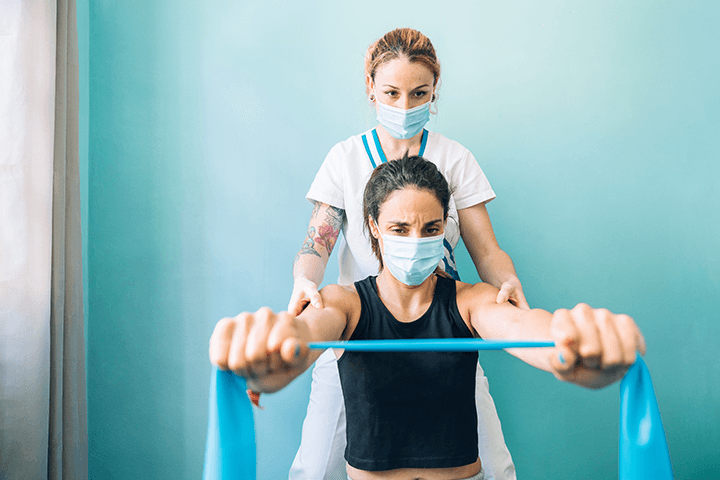
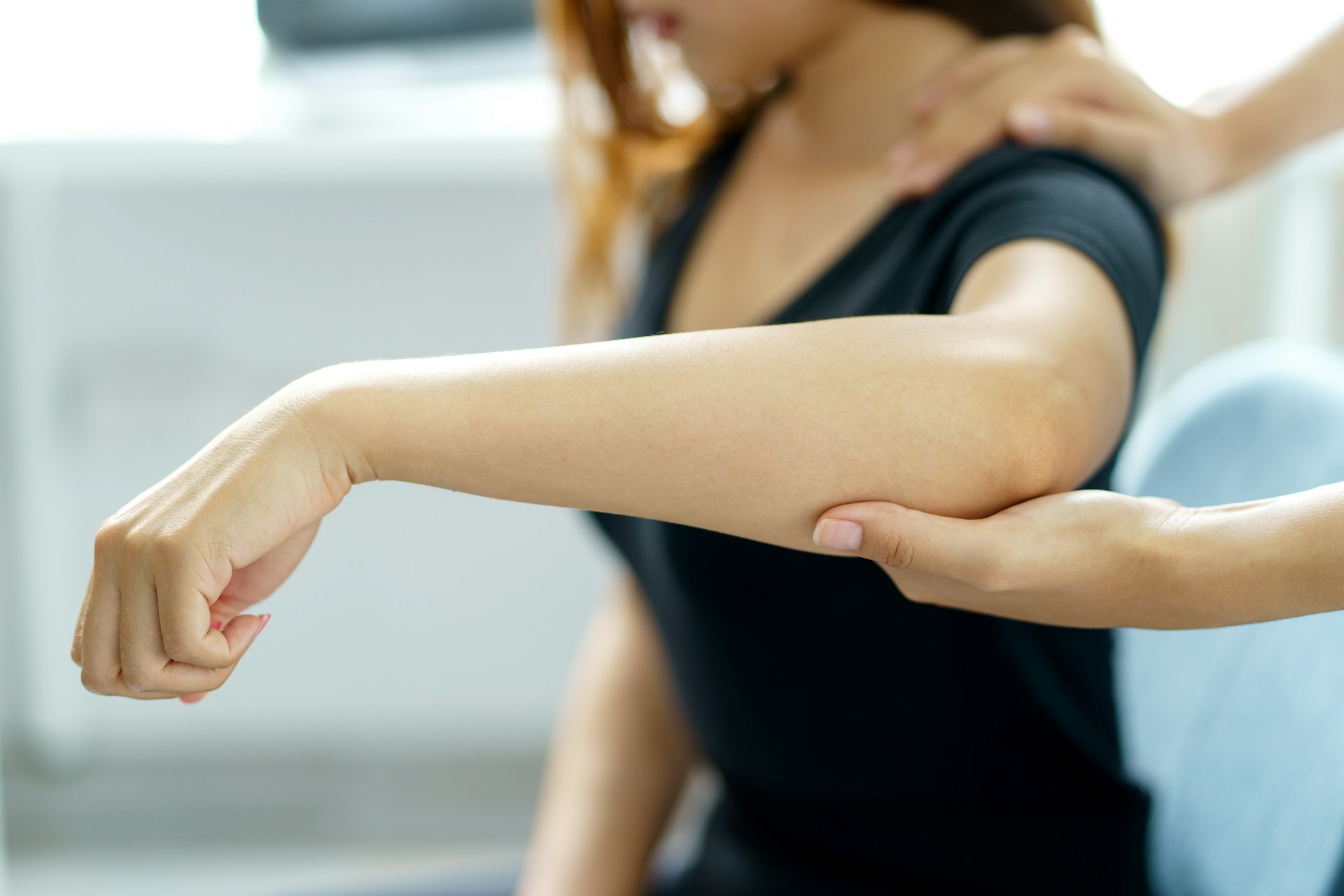
Depending on where the pain is coming from, different steps may be needed to help restore movement. For example, a therapist may use gentle manual techniques to reduce stiffness or swelling, show you how to move without causing discomfort, and guide you through small, safe exercises. Support is not about pushing through pain but about slowly returning to normal movement with confidence.
Staying Safe the Rest of the Season
Even after things start to feel better, it’s a good idea to keep your guard up. Slippery sidewalks aren’t going away anytime soon, and winter in Columbus, OH, still has more storms ahead. Keeping joints safe goes beyond just slowing down outside, it’s about looking at how we walk, what we wear, and how our bodies react.
• Wear shoes with sturdy grip, even if you’re just walking to the mailbox
• Keep hands out of pockets so your arms can help balance
• Use a small bag or backpack to keep hands free
• Step carefully on snow or ice, and take shorter, steadier steps
While healing, it’s okay to continue using wrists and elbows gently, just not in ways that cause pain. Moving the joints lightly through their full range helps avoid stiffness and keeps blood flowing to the area. But pushing through pain or ignoring swelling can slow down your recovery. Every movement should be done with care, and even small tasks like folding laundry or using a phone can tell you how the healing is going.
If soreness returns right after using your arm, or if you notice new pain, that is your body’s way of asking for a little more rest or support. Regularly checking in with yourself gives you the chance to catch any setbacks early and helps you keep the progress you have made.
Getting Back to Everyday Comfort
A small fall can lead to pain that lingers if it’s not handled with care. Sometimes, it’s hard to know how serious the soreness is right after it happens. But when the ache doesn’t fade or the joint stops working like it used to, rest may not be enough. Identifying when it’s time to get extra support can shorten recovery and keep discomfort from turning into a long-term problem.
At Cornerstone Physical Therapy, our elbow and wrist pain treatment plans are built for the way you use your arms in daily life, from strengthening weak muscles to using soft tissue mobilization for sore joints. We help you regain movement and reduce pain with hands-on care and easy routines that fit into your day, not just the clinic. By paying attention to your elbow and wrist pain after a slip, you give your body a better chance to heal fully. Recovery takes time, but when handled right, it helps you move through the rest of the winter with fewer limits and more confidence. Keeping your arms working the way they should means you’re ready for whatever the season throws your way.
Don’t let lingering wrist or elbow pain from a winter slip hold you back from your daily routine. Simple tasks should feel easy, and your joints deserve to be comfortable. Our elbow and wrist pain treatment is for the movements you rely on, whether you’re opening doors, typing, or staying steady outdoors. At Cornerstone Physical Therapy, we’re committed to helping you recover in ways that feel safe, manageable, and effective, just give us a call to discuss how we can help you move with confidence.