Winter can make everyday life feel more tiring, especially for people who are healing after cancer. The cold brings more than just low temperatures. It often brings tight muscles, extra aches, and less motivation to move around. Even small tasks like getting out of bed or reaching into a cupboard might take more effort than usual.
That’s where a cancer survivor program can offer steady support. It helps people keep moving safely, often with more comfort and confidence, even when it’s icy or cold outside. These programs don’t just offer exercises. They focus on how the whole body feels and work to improve daily life in meaningful ways. Let’s look at how that kind of help makes a real difference during winter.
How Winter Affects the Body After Cancer Treatment
When the weather gets colder, many people feel stiffer or slower. But for someone who’s been through cancer treatment, these feelings can show up stronger. Muscles already tired from long months of recovery can tighten up faster. Joints may get sore without much warning, and it might feel harder to bounce back from activity.
Shorter days and less exposure to natural light can also lower mood and energy. It’s easy to feel flat or more tired than usual, especially in February when the sun seems scarce. When people stay inside more, their muscles don’t get the same daily movement, which can make things worse. Sitting too long or doing less walking around the house adds to the sense of heaviness or weakness.
• Cold stiffens muscles and makes movement harder
• Less sunlight can drain motivation and affect how we feel
• Staying indoors often leads to less physical activity
These small shifts build over time. What starts as a little extra soreness can slowly grow into a routine of doing less and feeling worse. Having the right kind of support during this season can help change that.
How a Support Program Makes Daily Tasks Easier
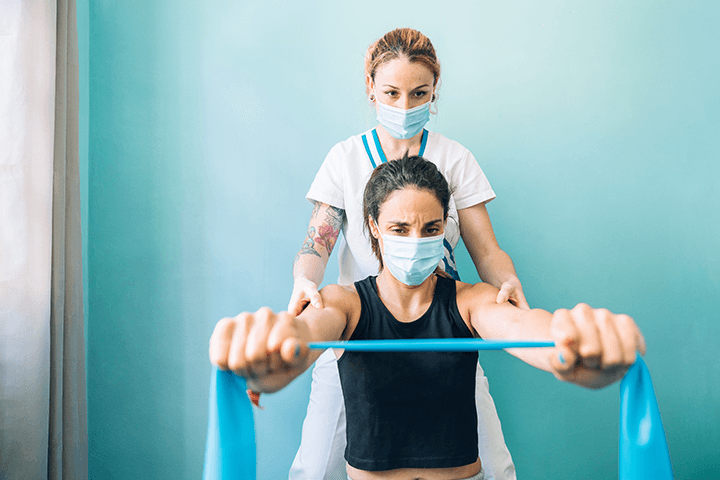
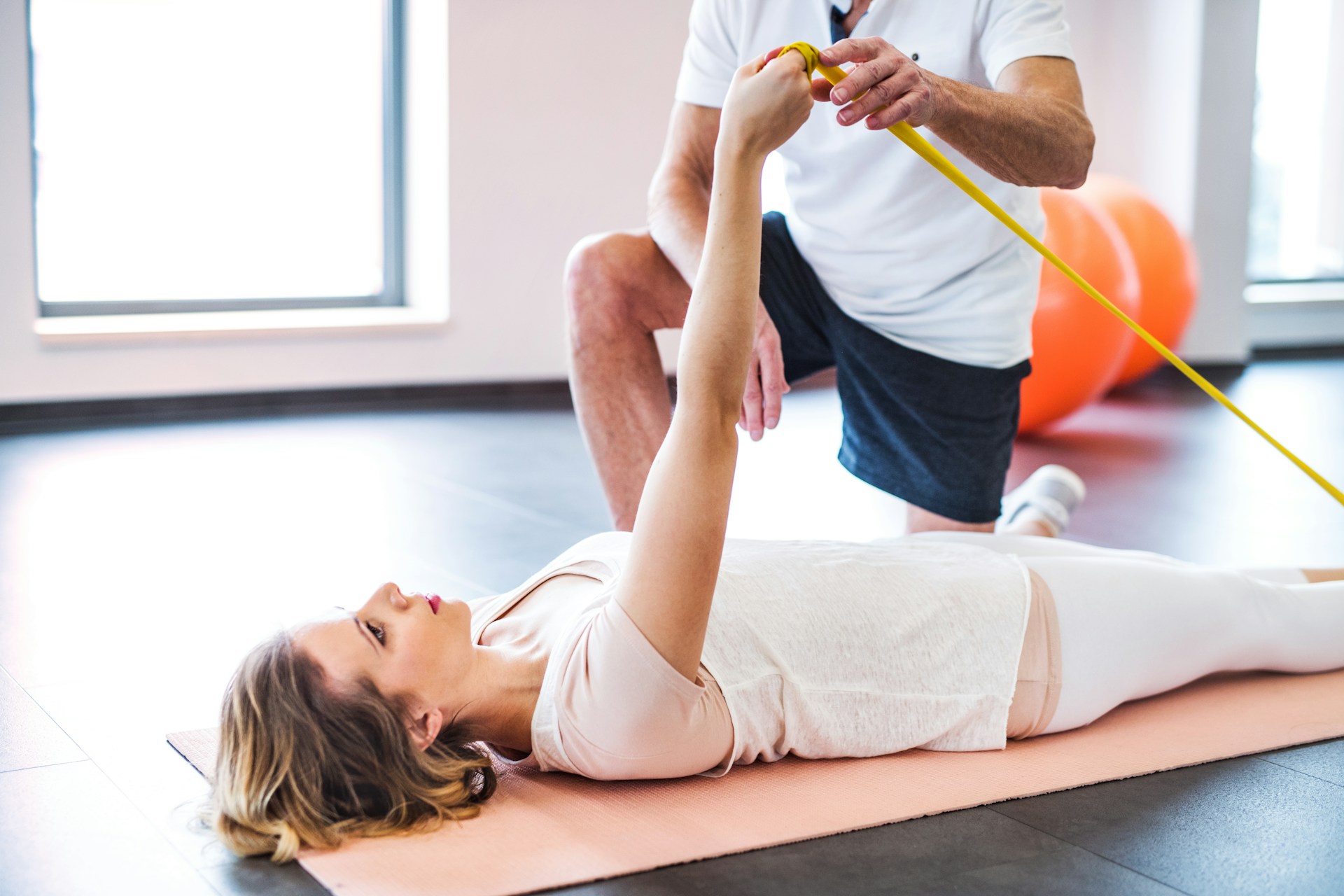
When routines feel harder in winter, a little structure goes a long way. A cancer survivor program offers that structure in ways that feel safe and practical. It focuses on helping people with movement they actually use each day.
That might mean improving how someone walks around their kitchen or stretches to put on socks. It’s not about doing intense workouts. It’s about finding better ways to move through regular tasks without worrying about falling or getting hurt.
• Safe guided movement helps with walking, reaching, bending, and balance
• Programs focus on strength, flexibility, and body control
• Simple things like dressing, cooking, or stepping outside feel easier with support
Even small improvements can matter a lot. Having a plan can give people the boost they need to keep moving when winter makes everything feel like more of a chore.
Moving Safely in Cold Weather
Cold air often makes the body move differently. Muscles tighten quickly outdoors and don’t always respond the way we expect. On top of that, slippery sidewalks or icy driveways can make walking outside feel like a risk. That’s why it’s so important to know how to move safely this time of year.
Warmups can help loosen joints and get the blood flowing. Even a couple minutes of slow arm swings, shoulder circles, or lifting the knees indoors can get the body ready before going outside. After coming back in, a quick cooldown allows the body to settle and reset.
How we dress matters, too. Thick socks, layered clothing, and warm shoes with good grip can help the body feel more stable and keep muscles from tightening up too fast. When the environment is already challenging, those small preparations make all the difference.
• Warm up indoors before heading out
• Dress comfortably with warm layers and slip-resistant shoes
• Walk carefully and avoid icy areas whenever possible
• Cool down with gentle stretching after being outside
These simple habits can support the body without putting too much strain on it. They help keep physical activity safer and more comfortable.
The Benefits of Ongoing Guidance and Encouragement
Having regular support during the winter months can lift more than just the body. It helps the mind, too. People often feel more motivated when there’s someone keeping track of their progress or checking in about how they’re doing. That encouragement can be enough to get moving, even on tougher days.
A structured plan adds dependability. It gives people something to return to when things feel off. Instead of wondering what to do or whether they’re doing it right, those guided steps make it easier to follow through. Honest feedback and small adjustments along the way help each person stay on a path that fits their own recovery pace.
• Regular check-ins allow small shifts as needs change
• Encouragement builds confidence and keeps people engaged
• Step-by-step structure makes movement feel more manageable
Winter can test a person’s energy and mood, especially after going through something like cancer. Having people in your corner makes a real difference. It helps create consistent forward movement, even if progress takes time.
Staying Active and Comfortable Through Winter
At Cornerstone Physical Therapy, our cancer survivor support focuses on creating personalized plans that address each person’s goals and challenges, whether it’s improving balance, managing fatigue, or building strength for daily tasks. Our physical therapists use therapeutic exercise and functional training to help with pain-free movement, and we adapt routines for winter conditions to maximize comfort and safety in and out of the clinic. Winter in Columbus, Ohio, isn’t always easy, but that doesn’t mean we have to slow all the way down. Even when the cold drains energy or movement feels tougher, we can still help our bodies stay stronger with the right support.
A cancer survivor program offers momentum when it’s easiest to stay still. With routines built for colder days, gentle movement guided by understanding, and a bit of encouragement along the way, daily life can start to feel more manageable. Each small step really can add comfort, confidence, and strength back into winter days.
At Cornerstone Physical Therapy, we know how challenging colder weather can make daily movement during recovery. That’s why our support is centered on helping people stay active and make consistent progress. Personalized for your needs, our cancer survivor program focuses on safe movement, improving strength and balance, and helping you manage everyday tasks comfortably. Let’s talk about how we can support your goals this winter, call us today to get started.